

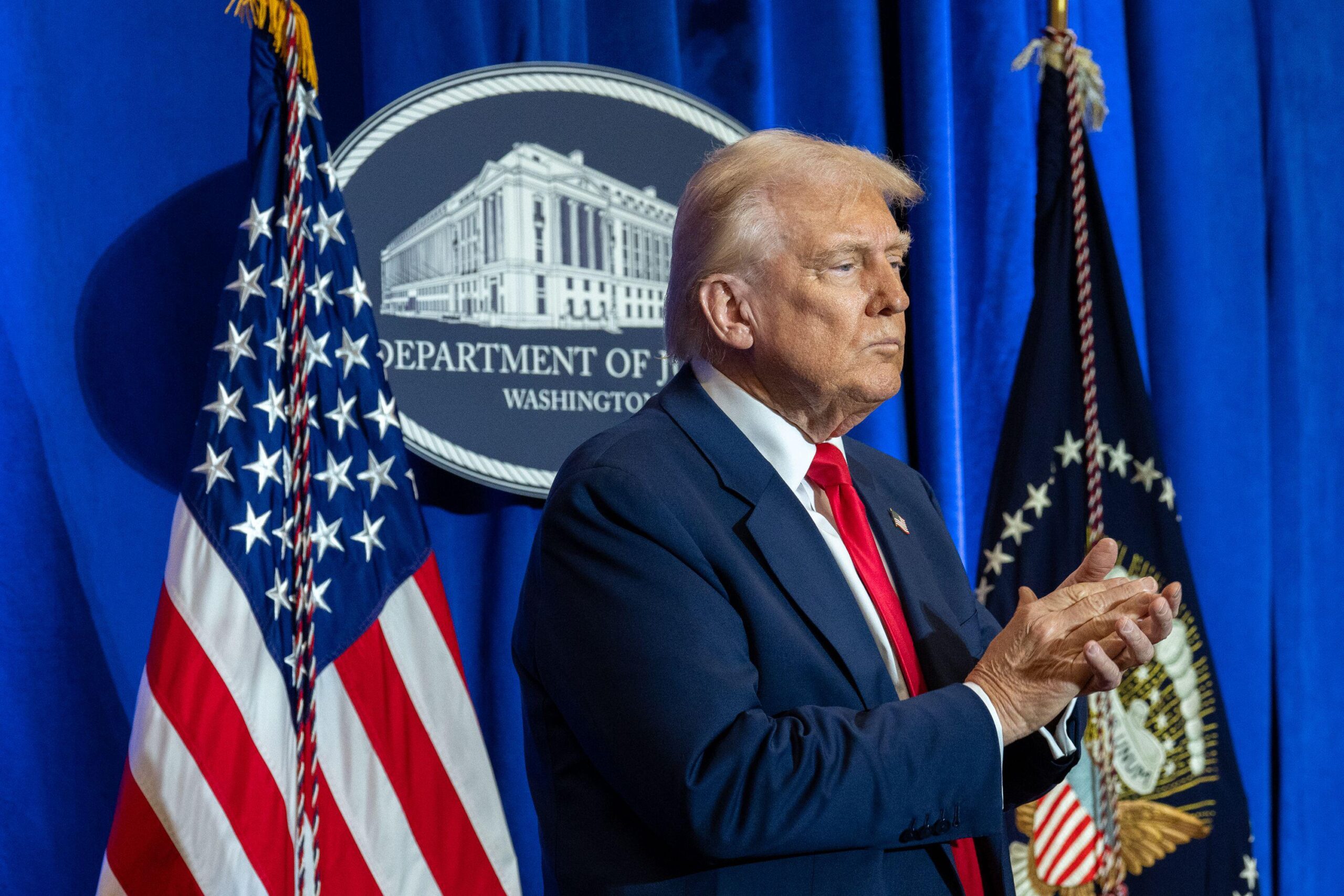
Photo: Alamy
The Trump administration is recalling nearly 30 career diplomats from ambassadorial and other senior embassy posts to reshape U.S. diplomacy around officials viewed as fully aligned with President Donald Trump’s “America First” agenda.
According to two State Department officials, chiefs of mission in at least 29 countries were notified last week that their assignments would end in January. The officials spoke on condition of anonymity because the personnel decisions have not been publicly detailed.
The diplomats affected were appointed during the Biden administration and initially remained in their roles after Trump began his second term. Early personnel changes focused mainly on political appointees, allowing many career ambassadors to stay in place. That shifted on Wednesday, when notices were sent from Washington informing the diplomats that their postings would soon end.
U.S. ambassadors serve at the president’s pleasure, though they typically remain in their posts for three to four years. The officials said those being recalled are not being dismissed from the Foreign Service. Instead, they will have the option to return to Washington for other assignments.
The State Department declined to confirm the number of diplomats affected or identify specific ambassadors. In a statement, the department defended the move, calling it “a standard process in any administration.”
It added that an ambassador is “a personal representative of the president and it is the president’s right to ensure that he has individuals in these countries who advance the America First agenda.”
Africa is expected to see the most changes. Ambassadors in 13 African nations are being recalled, including those serving in Burundi, Cameroon, Cape Verde, Gabon, Ivory Coast, Madagascar, Mauritius, Niger, Nigeria, Rwanda, Senegal, Somalia and Uganda.
Asia is the second-most affected region, with six countries experiencing changes. Those include Fiji, Laos, the Marshall Islands, Papua New Guinea, the Philippines, and Vietnam.
Elsewhere, four European countries are impacted: Armenia, Macedonia, Montenegro and Slovakia. Two countries each are affected in the Middle East, Algeria and Egypt, South and Central Asia, Nepal and Sri Lanka, and the Western Hemisphere, Guatemala and Suriname.
The personnel changes come as the administration continues broader efforts to realign foreign policy staffing with its priorities.